

1. Understanding Allergies and Textile Sensitivities in Bedding
For individuals with allergies or sensitive skin, selecting the right blankets and throws is crucial to creating a comfortable and safe bedroom environment. Allergens such as dust mites, mold spores, and pet dander often settle in soft textiles, exacerbating symptoms like sneezing, itching, and respiratory issues. Additionally, some synthetic and natural fibers can irritate sensitive skin or trigger eczema flare-ups.
Blankets and throws are not only functional items for warmth but also significant contributors to bedroom aesthetics and comfort. When layering textiles—such as combining blankets and throws with decorative pillows and bedding—the material selection impacts both health and atmosphere. Finding options that minimize allergen accumulation and avoid harsh fabric treatments is vital for allergy-prone households.
2. Hypoallergenic Blanket Materials: Benefits and Options
Several materials stand out for their hypoallergenic properties, offering breathable, easy-to-clean, and skin-friendly alternatives:
- Organic Cotton: Naturally breathable and soft, organic cotton is grown without pesticides, reducing potential irritants. It resists dust mites better than many conventional fibers and offers excellent moisture control, limiting mold growth. Blankets made from organic cotton are gentle for sensitive skin and widely available in various weights and textures.
- Bamboo: Bamboo fibers are naturally antibacterial and moisture-wicking, creating a dry environment less hospitable to allergens. Bamboo throws have a silky texture and sturdy durability while being eco-friendly. Their hypoallergenic qualities make them a great alternative for sensitive individuals.
- Microfiber: Though synthetic, microfiber blankets are tightly woven, which prevents dust mites and allergens from penetrating the fabric. They are lightweight, retain warmth well, and resist mold and mildew development when cared for properly.
- Wool (Hypoallergenic Types): While some wools can trigger irritation, certain hypoallergenic wools, such as merino, are finer and softer, reducing itchiness. Wool naturally repels dust mites and regulates temperature effectively, beneficial for year-round comfort. However, sensitivity varies by person.
- Silk: Silk fibers are smooth and less likely to cause friction or irritation on sensitive skin. Silk also resists dust mites naturally and maintains a comfortable temperature, though silk throw blankets are generally lighter and used as layering pieces.
Choosing blankets and throws made from these materials can substantially improve bedroom air quality and comfort for allergy-sensitive users. Avoiding blends with rough or chemically treated fabrics is advisable to minimize reactions.
3. Practical Tips for Choosing Allergy-Friendly Throws and Blankets
Beyond selecting hypoallergenic materials, consider these actionable strategies:
- Washability: Regular washing at high temperatures removes allergens effectively. Opt for blankets and throws that can be machine washed or are easy to care for without losing shape or texture.
- Breathability: Materials that allow air circulation reduce moisture buildup, crucial in preventing mold and dust mites. Look for natural fibers like cotton and bamboo for optimal breathability.
- Layering: Use lightweight, hypoallergenic blankets as a base layer, topped with decorative throws that can be routinely laundered. This approach enhances comfort and style without compromising allergen management.
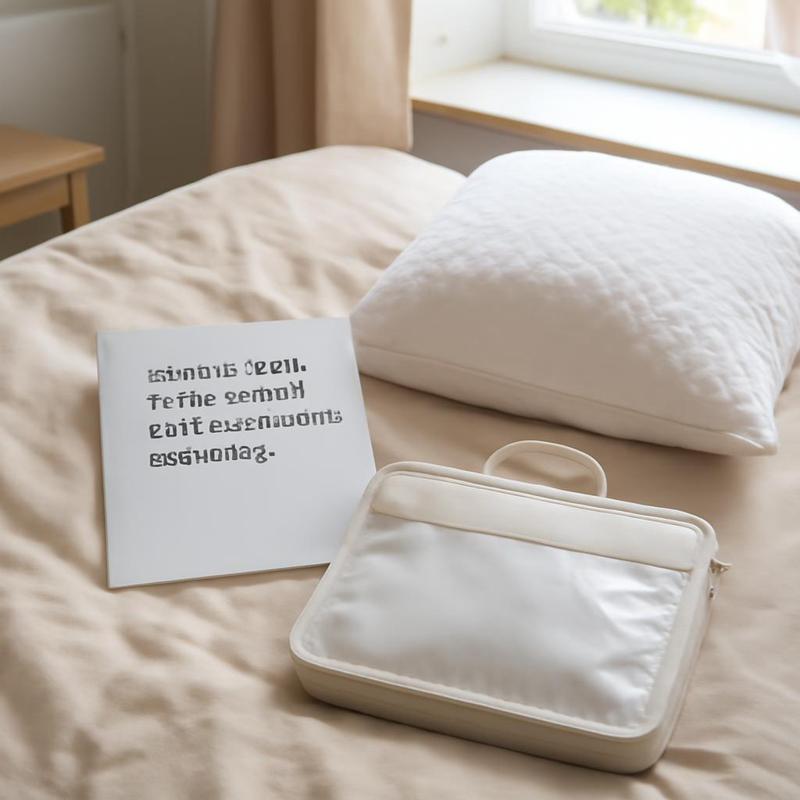
- Allergen-Proof Covers: Consider using allergen-proof covers or liners beneath blankets in particularly sensitive homes to provide an additional barrier.
- Avoid Feather and Down Fills: Although popular, these can harbor dust mites and trigger allergies. Synthetic hypoallergenic fillings are better alternatives for throws requiring added padding.
To see collections that combine both cozy comfort and hypoallergenic qualities, explore selections such as Maison Mingle’s Blankets & Throws and complement the look with Decorative Bedroom Pillows designed for sensitive bedrooms. Together, they can transform your sleeping space into a serene, allergen-conscious haven.
In addition to material choice, the weave and thread count of a blanket or throw can influence its suitability for allergy-sensitive individuals. Tightly woven fabrics tend to resist dust mites and other allergens more effectively than loosely woven ones. This characteristic helps prevent allergen accumulation, making maintenance easier and reducing the need for frequent deep cleaning.
Another important consideration is the ease of washing and drying. Blankets and throws that can withstand high-temperature laundering without damage are advantageous, as heat helps eliminate dust mites and bacteria. Machine-washable options that retain texture and shape after repeated cycles offer both convenience and long-term allergy management.
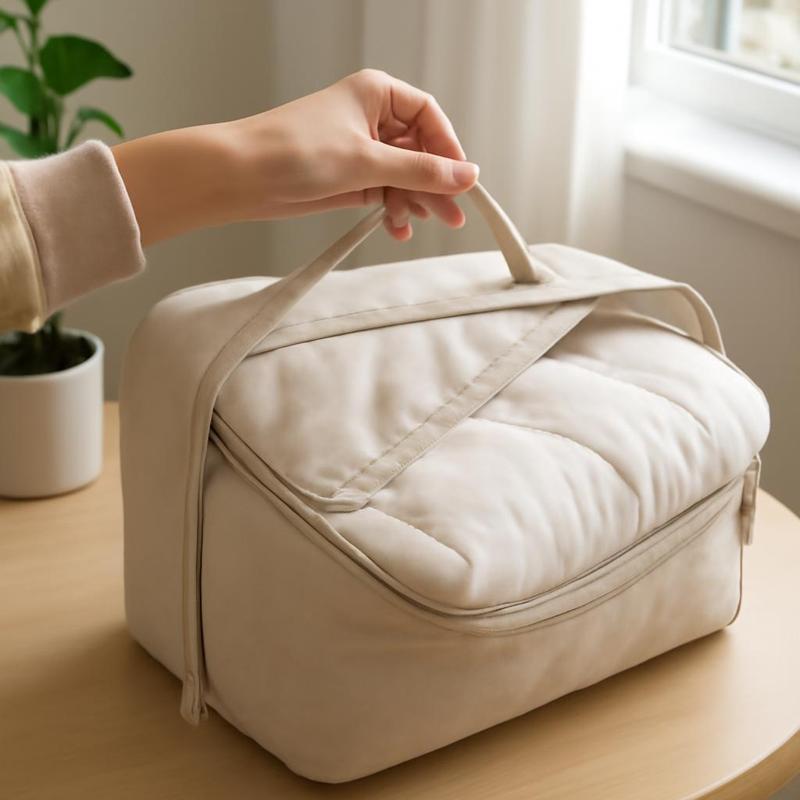
Storage practices also impact how allergens interact with your bedding textiles. Using breathable cotton storage bags or containers helps keep blankets free from dust and moisture while allowing air circulation. Avoid plastic storage, which traps humidity and promotes mildew growth, exacerbating allergy symptoms.
4. Summarizing the Best Choices for Allergy-Sensitive Bedrooms
Creating an allergy-friendly bedroom sanctuary requires mindful selection of blankets and throws that prioritize hypoallergenic materials, ease of care, and thoughtful layering. Organic cotton and bamboo top the list for natural comfort and breathability. Microfiber offers a synthetic option that protects against common allergens, while certain hypoallergenic wool and silk can deliver unique softness for those with specific preferences.
When combined with coordinating textiles like Furniture Slipcovers and Kids' Bedding, the overall aesthetic remains warm, inviting, and personalized without sacrificing health considerations. Maintaining proper cleaning routines further supports a fresh environment.
Explore Woven Mingle’s curated collections to find beautifully crafted blankets and throws that cater to allergy-sensitive needs, helping you design a cozy, stylish, and safe bedroom retreat that reflects your personal style and wellness priorities.