

Opening the home page of a large home store can feel like walking into a warehouse with every light on.
1. The Problem: Too Many Good Options at Once
Most shoppers do not struggle because there is too little to choose from. They struggle because everything looks appealing in isolation.
This is a well-known pattern in browsing behavior. When choices are presented without a framework, people tend to pick by impulse, then discover mismatches later.
The good news is that a home page is organized for a reason. Its sections, categories and featured collections are a map.
2. Why Mismatched Purchases Happen
Understanding the causes makes them easier to avoid. Three are especially common.
Buying by image alone. A photograph shows color and styling, but not weight, texture or scale. A cushion that looks plush may be thin, and a throw that looks neutral may read cool or warm depending on your light.
Shopping without a room in mind. Without a specific space as the target, every item seems like a good idea. A bedroom, a family room and a child's room each need different priorities, from washability to softness to durability.
Ignoring care requirements. Fabrics that are lovely on arrival can become a chore if they need special washing. Households with children or pets feel this most.
3. Read the Home Page Like a Floor Plan
Think of the home page as a floor plan of the store. Each collection is a room, and walking through them in a deliberate order helps you notice how pieces relate.
Start by scanning the collection names rather than individual products.
Next, note which collection fits your current need. If you are refreshing a sofa, slipcovers are the foundation. If you are warming up a bed, blankets and pillows do the work.
Finally, resist opening ten collections at once. Browse one, save a short list, then move on. A short list from each category is far easier to compare than a long list from all of them.
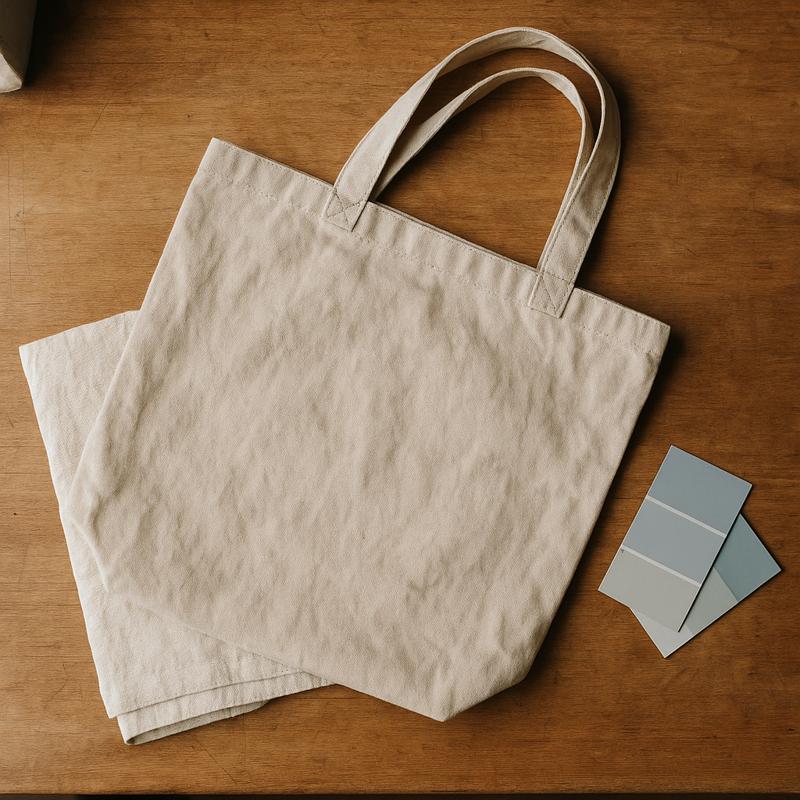
4. Choose One Anchor Room and One Anchor Category
The most effective way to avoid overwhelm is to limit scope. Pick one room and one category to lead.
For a bedroom refresh, the anchor is often the pillows and throws, because they change the look quickly and are easy to swap. The Decorative Bedroom Pillows collection is a sensible starting point, since cushions set the color story that blankets and rugs can then echo.
For a living area that sees daily use, begin with the largest surface. The Furniture Slipcovers collection suits shoppers who want to update a sofa or chair without replacing it, and who value being able to remove and wash the cover.
For a child's room, start with sleep. The Kids' Bedding collection covers the most-used textile in the room, and everything else can follow its palette.
Once your anchor is chosen, write down two or three words that describe the feeling you want, such as calm, bright or layered.
5. Check Material and Care Details Before Saving Anything
Product pages carry the information that photographs cannot. Before you save an item, read the description for fiber content, size and washing instructions.
Here is a simple checklist to apply to every candidate:
- Fiber: Cotton and linen-look fabrics tend to feel breathable, while heavier weaves and knits feel warmer and more substantial.
- Size: Confirm dimensions against your bed, sofa or floor area rather than guessing.
- Care: Look for machine-washable or removable options if the item will see heavy use.
- Color accuracy: Compare several photos if available, and consider your room's natural light.
If a detail is not listed, treat it as unknown instead of assuming. It is better to skip an item than to guess about something you will live with every day.
6. Build a Cohesive Set in Three Passes
With an anchor and a filter in place, assemble the room in three deliberate passes.
Pass one: the base. Choose the largest textile first, whether that is bedding, a slipcover or a rug. Keep it relatively quiet in color so other pieces have room to speak. The Home Rugs collection is worth browsing at this stage when floor texture and warmth underfoot matter to the overall feel.
Pass two: the mid layer. Add blankets and throws, which bring weight and a second texture. The Blankets & Throws collection offers a range of options to drape at the foot of a bed or over a sofa arm. Aim for one throw that contrasts with the base in texture, even if the color is close.

Pass three: the accents. Finish with cushions, and keep the count modest. A useful guideline is to vary size and texture rather than multiplying quantity, so the arrangement looks collected instead of crowded.
After each pass, step back and look at the combination as a whole. If two pieces compete, remove one instead of adding a third to compensate. When you are ready to browse across categories in one place, you can explore the Woven Mingle store and apply the same three passes.
7. Care and Maintenance Routines That Protect Your Choices
Good selection only pays off if the textiles stay in good condition. A light routine goes a long way.
Weekly: Shake out throws and cushions, and straighten slipcovers so seams sit correctly. This prevents fabric from stretching or bunching in one spot.
Monthly: Launder frequently used items according to their care label. Wash slipcovers and children's bedding on a schedule that matches how heavily they are used, and avoid overloading the machine so fabric can move freely.
Seasonally: Rotate heavier blankets out and lighter ones in. Store off-season pieces clean and dry in a breathable bag rather than sealed plastic, which can trap moisture.
Always follow the manufacturer's care instructions for each item.
Spot-treat spills promptly instead of waiting for laundry day. Blot rather than rub, which pushes stains deeper into fibers.
8. Summary and Next Steps
A store's home page is most useful when you treat it as a plan rather than a shelf to scan.
To recap the method:
- Name the room and the feeling you want before you browse.
- Start with one anchor category and build outward.
- Verify size, fiber and care instructions for every candidate.
- Assemble in three passes: base, mid layer, accents.
- Maintain with a simple weekly, monthly and seasonal routine.
Following this sequence keeps your choices consistent and your room cohesive, and it makes each future addition easier because the framework is already in place.